
Data Privacy · Healthcare
The Importance of GDPR for Healthcare Providers
In this blog, we will explore the importance of GDPR in healthcare and how healthcare providers can effectively implement a GDPR compliance checklist.
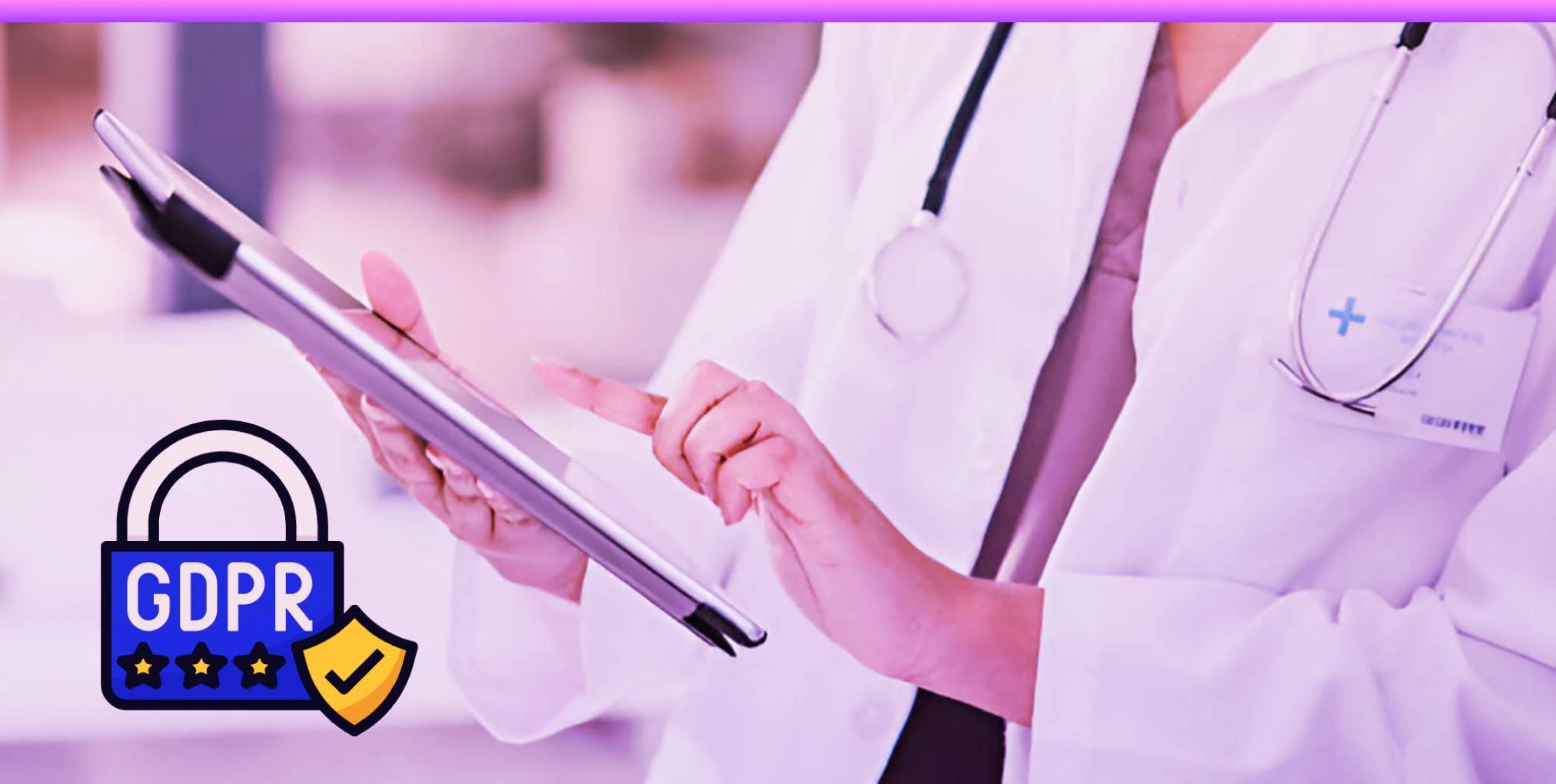
The General Data Protection Regulation (GDPR) has reshaped how organizations handle personal data, and its impact on the healthcare sector is profound. Understanding the importance of GDPR is crucial for healthcare providers who deal with sensitive patient information daily. Data privacy and security have become major concerns in today's digital world. With the increasing amount of personal data being collected, stored, and shared, organizations must take proper measures to protect this sensitive information. This is where the GDPR Compliance Guide comes into play, providing a set of guidelines for organizations to follow and ensure the confidentiality and security of personal data. For healthcare providers, complying with GDPR requirements safeguards their patients' privacy and also has additional benefits that can positively impact their operations. In this blog, we will explore the importance of GDPR in healthcare and how healthcare providers can effectively implement a GDPR compliance checklist.
Introduction to GDPR in Healthcare
The GDPR is a comprehensive data protection law that came into effect on May 25, 2018. It aims to protect the privacy and personal data of individuals within the European Union (EU) and the European Economic Area (EEA). For healthcare providers, compliance with GDPR is not just a legal obligation but a critical aspect of maintaining patient trust and safeguarding sensitive health information. A GDPR compliance checklist is essential for healthcare organizations to ensure they meet all the requirements. By following this checklist, healthcare providers can systematically address GDPR requirements, minimizing the risk of data breaches and enhancing data security. 
The Importance of GDPR in Healthcare
GDPR has become a buzzword in the healthcare industry, and for good reason. Along with protecting individuals' data it also holds organizations accountable for any mishandling of such information. For healthcare providers, who handle sensitive medical and personal information, compliance with GDPR is crucial. Here are some reasons why:
1: Protecting Patient Privacy
One of the primary reasons for the importance of GDPR in healthcare is the protection of patient privacy. Healthcare providers collect and store highly sensitive data, including medical histories, genetic information, and personal identification details. GDPR ensures that this information is handled with the utmost care, minimizing the risk of breaches and unauthorized access.
2: Building Patient Trust
Trust is a vital component of the patient-provider relationship. When patients know their data is protected under stringent regulations, they are more likely to trust healthcare providers. This trust can lead to better patient engagement, adherence to treatment plans, and overall satisfaction with the healthcare experience.
3: Reducing Data Breach Risks
Data breaches can have severe consequences, including financial penalties, reputational damage, and legal repercussions. By adhering to GDPR requirements, healthcare providers can implement robust security measures to protect patient data, significantly reducing the risk of breaches. This proactive approach to data security is crucial in an era where cyber threats are constantly evolving. 
4: Ensuring Data Accuracy
GDPR mandates that personal data be accurate and up-to-date. For healthcare providers, this means regularly updating patient records and ensuring that any incorrect information is corrected promptly. Accurate data is critical for delivering effective healthcare services, as it ensures that healthcare professionals have the correct information to diagnose and treat patients.
5: Global Reach
Even though GDPR is an EU regulation, its scope extends globally as it applies to all organizations that handle the personal data of EU citizens. This means that even healthcare providers outside of the EU must comply with GDPR if they have patients from the EU.
Benefits of GDPR for Healthcare Providers
Apart from ensuring data protection and privacy, other benefits of GDPR compliance can positively impact healthcare providers. Let's take a look at some of them:
Enhanced Data Security
One of the significant benefits of GDPR is enhanced data security. Healthcare providers must implement stringent security measures to protect patient data. This includes encryption, secure storage, and regular monitoring of data access. By doing so, providers can ensure that patient information remains confidential and secure from unauthorized access.
Improved Data Management
GDPR encourages healthcare providers to maintain accurate and up-to-date patient records. This not only improves data quality but also enhances the efficiency of healthcare services. Accurate data management ensures that healthcare professionals have access to reliable information, leading to better diagnosis and treatment decisions.
Legal Compliance
Non-compliance with GDPR can result in severe penalties, including fines of up to 4% of annual global turnover or €20 million, whichever is greater. For healthcare providers, adhering to GDPR is not just a legal obligation but also a way to avoid these significant financial penalties. Compliance demonstrates a commitment to ethical data handling practices and legal responsibilities.
Strengthened Patient Rights
GDPR empowers patients with greater control over their data. Patients have the right to access their data, request corrections, and even demand data deletion under certain circumstances. This empowerment fosters a sense of ownership and involvement in their healthcare journey, leading to better patient outcomes and satisfaction. 
The Role of Technology in GDPR Compliance
Technology plays a vital role in helping healthcare providers achieve GDPR compliance. Here are some technological solutions that can aid in this process:
Dara Encryption
Encryption is a critical component of GDPR compliance. By encrypting patient data, healthcare providers can ensure that even if data is intercepted, it remains unreadable and secure. Encryption should be applied to both data at rest and data in transit.
Access Controls
Implementing strict access controls is essential to ensure that only authorized personnel can access patient data. Role-based access controls (RBAC) can help manage who has access to specific information, reducing the risk of unauthorized access.
Audit Trails
Maintaining detailed audit trails allows healthcare providers to track who accessed patient data, when, and for what purpose. This transparency is essential for detecting and investigating any potential data breaches or unauthorized access. 
Data Anonymization
In some cases, healthcare providers may need to share patient data for research or analysis. Data anonymization techniques can help protect patient identities while still allowing valuable insights to be gained from the data.
How Xeven Solutions Can Help with GDPR Compliance
Xeven Solutions is an AI healthcare company specializing in healthcare. We offer comprehensive services to ensure your organization complies with GDPR. Our expertise in AI and data protection will help safeguard patient data, enhance security, and ensure adherence to GDPR requirements. Partner with us for smooth GDPR compliance.
Conclusion
The importance of GDPR for healthcare providers cannot be overstated. Compliance with this regulation ensures the security and confidentiality of personal data and also promotes ethical standards in the industry. By following the guidelines and implementing appropriate measures, healthcare providers can build trust with their patients, avoid penalties, and improve their data management processes. So, all healthcare providers must prioritize GDPR compliance to protect both their patient's privacy and their reputation as responsible custodians of sensitive personal information. [global-template template-id=4451]