

Predictive Analytic
AI algorithms identify patterns and abnormalities in massive volumes of data from numerous IoT devices to forecast future events. For instance, AI may recommend machine maintenance regimens or optimize energy use in smart homes.

AI for IoT is being applied across various domains, such as smart homes, smart cities, industrial automation, healthcare, and transportation. It optimizes performance and enhances user experience.
IoT and AI solutions are empowering the future of connected devices. Through the integration of IoT & AI technologies, these innovative services are revolutionizing various industries. From smart homes to industrial automation, solutions offer unparalleled capabilities. Our team of skilled IoT consultants is here to assist you in IoT application development, providing expertise and guidance every step of the way. With AI-driven analytics and machine learning algorithms, these solutions optimize processes, enhance efficiency, and improve user experiences. From innovative home automation solutions to advanced industrial applications, AI-powered IoT services transform how we live and work shaping a smarter and more connected future.


AI for IoT can identify patterns and optimize resources, leading to cost savings and increased efficiency.

By analyzing customer data, AI and ML can provide personalized experiences. It leads to higher satisfaction and loyalty.

With predictive modeling, IoT devices can predict equipment failures, reducing downtime and maintenance costs.

Automate repetitive tasks and optimize workflows with AI. This results in increased productivity and output.

AI and ML analyze vast data IoT devices generate, providing insights into market trends and consumer behaviour.

Companies leveraging IoT & AI Solutions effectively can gain a significant competitive advantage through enhanced efficiency and innovative products.
AI algorithms identify patterns and abnormalities in massive volumes of data from numerous IoT devices to forecast future events. For instance, AI may recommend machine maintenance regimens or optimize energy use in smart homes.
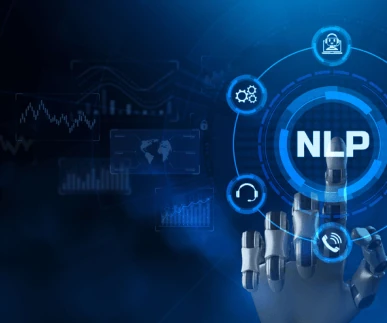
AI-powered NLP also assists in data analytics, making it easier to extract meaningful insights from the vast amounts of data generated by IoT devices, leading to improved decision-making and business outcomes.

AI can also detect and predict potential problems in city systems, such as identifying areas with high traffic congestion or predicting equipment failure in waste management facilities.

AI plays a critical role in predictive maintenance for IoT devices. Using big data analytics, AI can analyze vast amounts of data generated by IoT sensors and predict when maintenance is required before equipment fails.

One frequent application of AI in IoT projects is anomaly detection. Since there are more connected devices, AI can swiftly and in real-time evaluate massive volumes of data to find unexpected patterns and indicate potential problems.
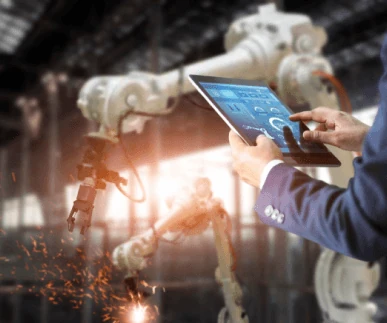
Intelligent automation is a key use case for advanced IoT with AI. Using machine learning algorithms, AI can automate complex tasks and adapt to changing environments. This has revolutionized many industries, from healthcare to retail.
AI algorithms identify patterns and abnormalities in massive volumes of data from numerous IoT devices to forecast future events. For instance, AI may recommend machine maintenance regimens or optimize energy use in smart homes.
AI-powered NLP also assists in data analytics, making it easier to extract meaningful insights from the vast amounts of data generated by IoT devices, leading to improved decision-making and business outcomes.
AI can also detect and predict potential problems in city systems, such as identifying areas with high traffic congestion or predicting equipment failure in waste management facilities.
AI plays a critical role in predictive maintenance for IoT devices. Using big data analytics, AI can analyze vast amounts of data generated by IoT sensors and predict when maintenance is required before equipment fails.
One frequent application of AI in IoT projects is anomaly detection. Since there are more connected devices, AI can swiftly and in real-time evaluate massive volumes of data to find unexpected patterns and indicate potential problems.
Intelligent automation is a key use case for advanced IoT with AI. Using machine learning algorithms, AI can automate complex tasks and adapt to changing environments. This has revolutionized many industries, from healthcare to retail.
AI algorithms identify patterns and abnormalities in massive volumes of data from numerous IoT devices to forecast future events. For instance, AI may recommend machine maintenance regimens or optimize energy use in smart homes.
AI-powered NLP also assists in data analytics, making it easier to extract meaningful insights from the vast amounts of data generated by IoT devices, leading to improved decision-making and business outcomes.
AI can also detect and predict potential problems in city systems, such as identifying areas with high traffic congestion or predicting equipment failure in waste management facilities.
AI plays a critical role in predictive maintenance for IoT devices. Using big data analytics, AI can analyze vast amounts of data generated by IoT sensors and predict when maintenance is required before equipment fails.
One frequent application of AI in IoT projects is anomaly detection. Since there are more connected devices, AI can swiftly and in real-time evaluate massive volumes of data to find unexpected patterns and indicate potential problems.
Intelligent automation is a key use case for advanced IoT with AI. Using machine learning algorithms, AI can automate complex tasks and adapt to changing environments. This has revolutionized many industries, from healthcare to retail.
AI algorithms identify patterns and abnormalities in massive volumes of data from numerous IoT devices to forecast future events. For instance, AI may recommend machine maintenance regimens or optimize energy use in smart homes.
AI-powered NLP also assists in data analytics, making it easier to extract meaningful insights from the vast amounts of data generated by IoT devices, leading to improved decision-making and business outcomes.
AI can also detect and predict potential problems in city systems, such as identifying areas with high traffic congestion or predicting equipment failure in waste management facilities.
AI plays a critical role in predictive maintenance for IoT devices. Using big data analytics, AI can analyze vast amounts of data generated by IoT sensors and predict when maintenance is required before equipment fails.
One frequent application of AI in IoT projects is anomaly detection. Since there are more connected devices, AI can swiftly and in real-time evaluate massive volumes of data to find unexpected patterns and indicate potential problems.
Intelligent automation is a key use case for advanced IoT with AI. Using machine learning algorithms, AI can automate complex tasks and adapt to changing environments. This has revolutionized many industries, from healthcare to retail.
AI algorithms identify patterns and abnormalities in massive volumes of data from numerous IoT devices to forecast future events. For instance, AI may recommend machine maintenance regimens or optimize energy use in smart homes.
AI-powered NLP also assists in data analytics, making it easier to extract meaningful insights from the vast amounts of data generated by IoT devices, leading to improved decision-making and business outcomes.
AI can also detect and predict potential problems in city systems, such as identifying areas with high traffic congestion or predicting equipment failure in waste management facilities.
AI plays a critical role in predictive maintenance for IoT devices. Using big data analytics, AI can analyze vast amounts of data generated by IoT sensors and predict when maintenance is required before equipment fails.
One frequent application of AI in IoT projects is anomaly detection. Since there are more connected devices, AI can swiftly and in real-time evaluate massive volumes of data to find unexpected patterns and indicate potential problems.
Intelligent automation is a key use case for advanced IoT with AI. Using machine learning algorithms, AI can automate complex tasks and adapt to changing environments. This has revolutionized many industries, from healthcare to retail.
AI algorithms identify patterns and abnormalities in massive volumes of data from numerous IoT devices to forecast future events. For instance, AI may recommend machine maintenance regimens or optimize energy use in smart homes.
AI-powered NLP also assists in data analytics, making it easier to extract meaningful insights from the vast amounts of data generated by IoT devices, leading to improved decision-making and business outcomes.
AI can also detect and predict potential problems in city systems, such as identifying areas with high traffic congestion or predicting equipment failure in waste management facilities.
AI plays a critical role in predictive maintenance for IoT devices. Using big data analytics, AI can analyze vast amounts of data generated by IoT sensors and predict when maintenance is required before equipment fails.
One frequent application of AI in IoT projects is anomaly detection. Since there are more connected devices, AI can swiftly and in real-time evaluate massive volumes of data to find unexpected patterns and indicate potential problems.
Intelligent automation is a key use case for advanced IoT with AI. Using machine learning algorithms, AI can automate complex tasks and adapt to changing environments. This has revolutionized many industries, from healthcare to retail.
AI algorithms identify patterns and abnormalities in massive volumes of data from numerous IoT devices to forecast future events. For instance, AI may recommend machine maintenance regimens or optimize energy use in smart homes.
AI-powered NLP also assists in data analytics, making it easier to extract meaningful insights from the vast amounts of data generated by IoT devices, leading to improved decision-making and business outcomes.
AI can also detect and predict potential problems in city systems, such as identifying areas with high traffic congestion or predicting equipment failure in waste management facilities.
AI plays a critical role in predictive maintenance for IoT devices. Using big data analytics, AI can analyze vast amounts of data generated by IoT sensors and predict when maintenance is required before equipment fails.
One frequent application of AI in IoT projects is anomaly detection. Since there are more connected devices, AI can swiftly and in real-time evaluate massive volumes of data to find unexpected patterns and indicate potential problems.
Intelligent automation is a key use case for advanced IoT with AI. Using machine learning algorithms, AI can automate complex tasks and adapt to changing environments. This has revolutionized many industries, from healthcare to retail.
AI algorithms identify patterns and abnormalities in massive volumes of data from numerous IoT devices to forecast future events. For instance, AI may recommend machine maintenance regimens or optimize energy use in smart homes.
AI-powered NLP also assists in data analytics, making it easier to extract meaningful insights from the vast amounts of data generated by IoT devices, leading to improved decision-making and business outcomes.
AI can also detect and predict potential problems in city systems, such as identifying areas with high traffic congestion or predicting equipment failure in waste management facilities.
AI plays a critical role in predictive maintenance for IoT devices. Using big data analytics, AI can analyze vast amounts of data generated by IoT sensors and predict when maintenance is required before equipment fails.
One frequent application of AI in IoT projects is anomaly detection. Since there are more connected devices, AI can swiftly and in real-time evaluate massive volumes of data to find unexpected patterns and indicate potential problems.
Intelligent automation is a key use case for advanced IoT with AI. Using machine learning algorithms, AI can automate complex tasks and adapt to changing environments. This has revolutionized many industries, from healthcare to retail.
AI algorithms identify patterns and abnormalities in massive volumes of data from numerous IoT devices to forecast future events. For instance, AI may recommend machine maintenance regimens or optimize energy use in smart homes.
AI-powered NLP also assists in data analytics, making it easier to extract meaningful insights from the vast amounts of data generated by IoT devices, leading to improved decision-making and business outcomes.
AI can also detect and predict potential problems in city systems, such as identifying areas with high traffic congestion or predicting equipment failure in waste management facilities.
AI plays a critical role in predictive maintenance for IoT devices. Using big data analytics, AI can analyze vast amounts of data generated by IoT sensors and predict when maintenance is required before equipment fails.
One frequent application of AI in IoT projects is anomaly detection. Since there are more connected devices, AI can swiftly and in real-time evaluate massive volumes of data to find unexpected patterns and indicate potential problems.
Intelligent automation is a key use case for advanced IoT with AI. Using machine learning algorithms, AI can automate complex tasks and adapt to changing environments. This has revolutionized many industries, from healthcare to retail.
Our extensive experience in AI development and implementation gives us a proven track record of success and expertise to meet your business's AI needs.
Employing over 150 individuals, we offer a broad range of skills and knowledge to support your business's AI requirements, providing a comprehensive solution to meet your needs.
Our international footprint with offices in the USA, UK, and UAE allows us to offer AI solutions and support worldwide, making us an excellent choice for businesses with worldwide operations.
We prioritize our employees' growth and development, ensuring a dedicated and motivated team that is committed to delivering the best AI solutions for your business.
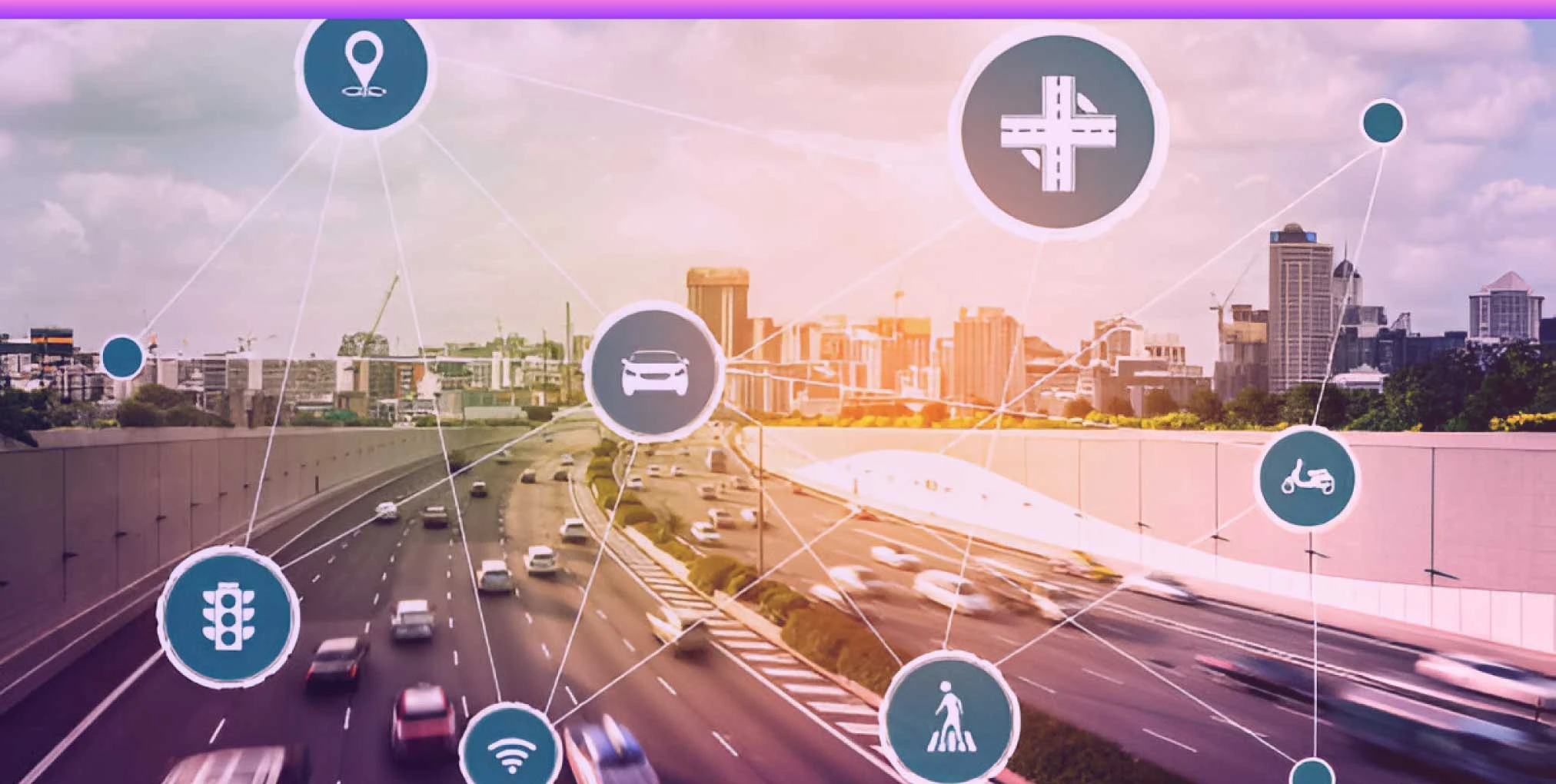
Explore machine learning applications to solve real-world problems such as disease diagnosis, fraud detection, environmental change detection, and more.
Read More
Synthetic audio generation is getting better with the rise of artificial intelligence. Learn how to detect AI voices with or without AI detection tools.
Read More
This article will explain 7 lucrative and innovative AI business ideas for entrepreneurs that can help them earn money.
Read More
Read our guide on generative AI for Shopify and WordPress to learn how generative AI is transforming e-commerce and CMS platforms, driving innovation and growth.
Read More
Explore complementary solutions and industries we serve with custom AI and software development.